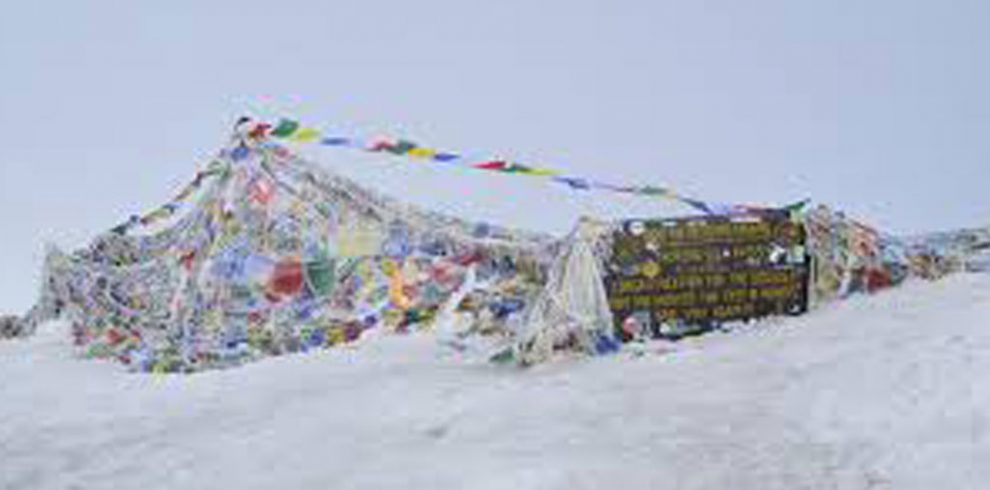
Ghorepani Poon Hill (3120 m) lying at the height in the Annapurna region is a classic tea house trek. During the trek you will be rewarded with the beautiful panorama of Mt. Dhaulagiri, Annapurna I as well as others higher mountains including Annapurna south, Annapurna II, III, IV, Gangapurna, Lamjung Himal, Barasikhar, Nilgiri, Tukuche Peak, Hiunchuli, and Manaslu ranges
Also, Ghorepani Poon Hill trekking will let you see terraced slopes, pleasing villages inhabited by Gurungs and Magars up in the hills, rhododendron forest, and people of the different ethnic group who are welcoming in nature. And the major fascination of this trek is the splendid view of sunrise. When the first rays of sun fall in the snow-capped summits of Dhaulagiri, Annapurna along with other giant peaks, the view happens to be an unforgettable experience you ever acquired.
Ghorepani Poon Hill trekking is admired for the dense forest of rhododendron flowers in spring and hundred’s species of bird flora and faunas with deep sub tropical valleys. Also, the trek will you lead you through charming village, inhabited by the ethical group of Nepal, Gurungs. This trek is suitable for those who do not have much time to spend and old people with a burning desire to observe the beauty of snow capped mountains. The trek can be lengthened and shortened according to the time you have. The Hill point mesmerizes with the amusing view of sunrise and golden colour views of Annapurna ranges. Come with Nepal Mountain Treks for getting the captivating experience.
HOW DIFFICULT GHOREPANI POON HILL TREK?
The Ghorepani Poon Hill Trekking is graded moderate, it is not easy Trek, (Notice difficulty) because of its steep climbing up 1276 meters in a day from Tirkhe Dhunga to Ghorepani directly high elevation, this trail demands moderately fit person having great Highlander passion. (Our suggesting is should not gain more than 500m per day if you planning Highlander or longer Treks as Annapurna circuit, Base Camp or Everest Region) .
WHAT ABOUT ALTITUDE SICKNESS FOR GHOREPANI POON HILL TREK?
The Ghorepani Poon hill lies at lower altitude 3210 meters only, there is no risk of Altitude Sickness. The highest elevation difference that you will face is while walking from Tirkhe Dhunga to Ghorepani. It is because, at Tirkhe Dhunga, you will be at a height of 1577 meters height which means you will overcome nearly 1200 meters on this day. For those who are wondering about the Acute Mountain Sickness and who are giving the trekking advice which says you can only make 500m of the climb on a day, work only for those who venture on the land that is more than 5000m altitude. There is absolutely no Altitude Mountain Sickness risk in Poon Hill. An altitude up to 3500m is considered safe for a normal person.
HOW WEATHER IS WILL BE IN GHOREPANI POON HILL PANORAMA TREK?
Poon Hill Trek weather is pretty good with clear blue sky at peak season time, September to November. and March to April are best seasons for Poon Hill Trek rest of month is the changeable weather because of much nearer to Pokhara which is famously called as Cherapunji of Nepal as it receives maximum rainfall in entire Nepal.
HOW MUCH IS THE PRICE FOR GHOREPANI POON HILL TREKKING?
The Cost of Ghorepani Poon Hill trek is a depending on your spending days, there are 3 days, 4 days 6 days and 8 days itinerary are listed in our site so, every page has cost detail and service details with full board package Trip.
WHAT KIND OF PERMITS REQUIRE AND HOW MUCH IT COST FOR GHOREPANI POON HILL TREK?
There is Annapurna Conservations Area Project (ACAP) permits and Trekking information management system (TIMS) Permits required for the Poon Hill Trekking which is including in our package trip.
Ghorepani Poon Hill (3120 m) lying at the height in the Annapurna region is a classic tea house trek. During the trek you will be rewarded with the beautiful panorama of Mt. Dhaulagiri, Annapurna I as well as others higher mountains including Annapurna south, Annapurna II, III, IV, Gangapurna, Lamjung Himal, Barasikhar, Nilgiri, Tukuche Peak, Hiunchuli, and Manaslu ranges